Ceylon Kaffir Community
The Story and Heritage of the Ceylon Kaffir Community
Who Are the Ceylon Kaffirs?
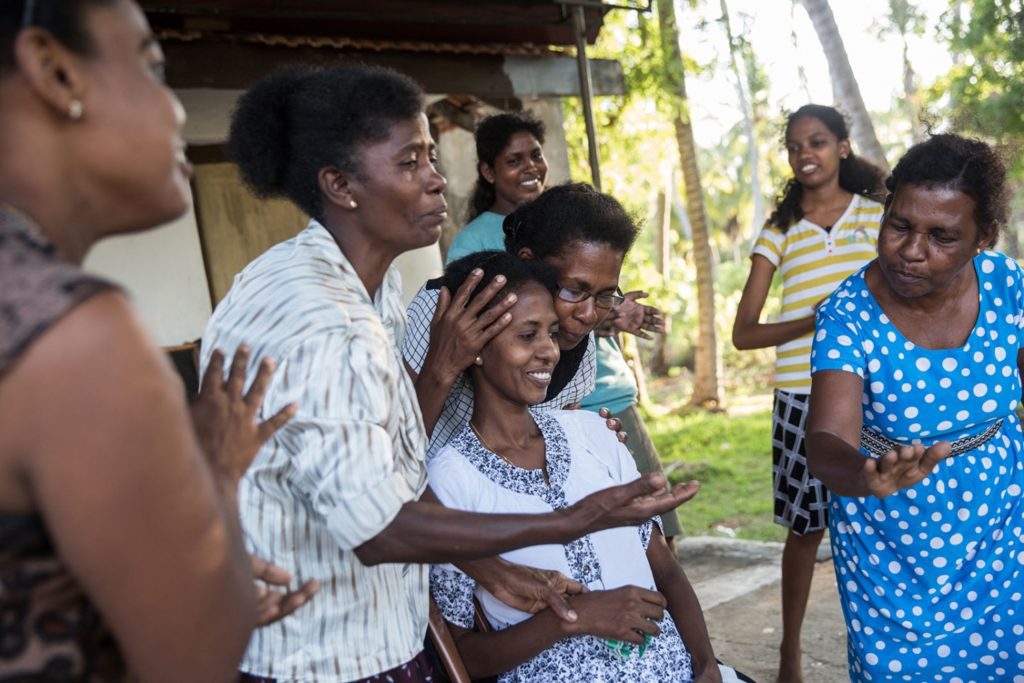
The Ceylon Kaffir community is a small Afro-Sri Lankan group descended from African slaves who were brought to Sri Lanka by Portuguese colonialists in the 16th and 17th centuries. Over the years, they have created a unique cultural identity that combines African roots with Sri Lankan and Portuguese influences.
Historical Background
The ancestors of the Kaffir community arrived in Sri Lanka through Portuguese trade routes, mostly as soldiers and laborers. As time passed, they settled in different parts of the island and gradually integrated with local communities. While some of their African traditions remained strong, many were influenced by local Sri Lankan and European cultures.
Cultural Traditions
The Ceylon Kaffirs are well known for their lively music and dance traditions. One of their most famous dances is Kaffringna, known for its energetic moves and colorful attire. They also practiced other popular dances like Manja and contributed to Baila music — a rhythmic style that is now a part of mainstream Sri Lankan music.
They once spoke a Portuguese-based creole language, but it is now nearly extinct. Despite this, their heritage still lives through their music, food, and celebrations.
Challenges Faced by the Community
Efforts to Preserve the Culture
Today, some cultural organizations and researchers are working with the Kaffir community to help preserve their heritage. Activities like dance festivals, cultural programs, and educational projects aim to keep their traditions alive. Members of the community often take part in public events to perform and share their culture with others.